
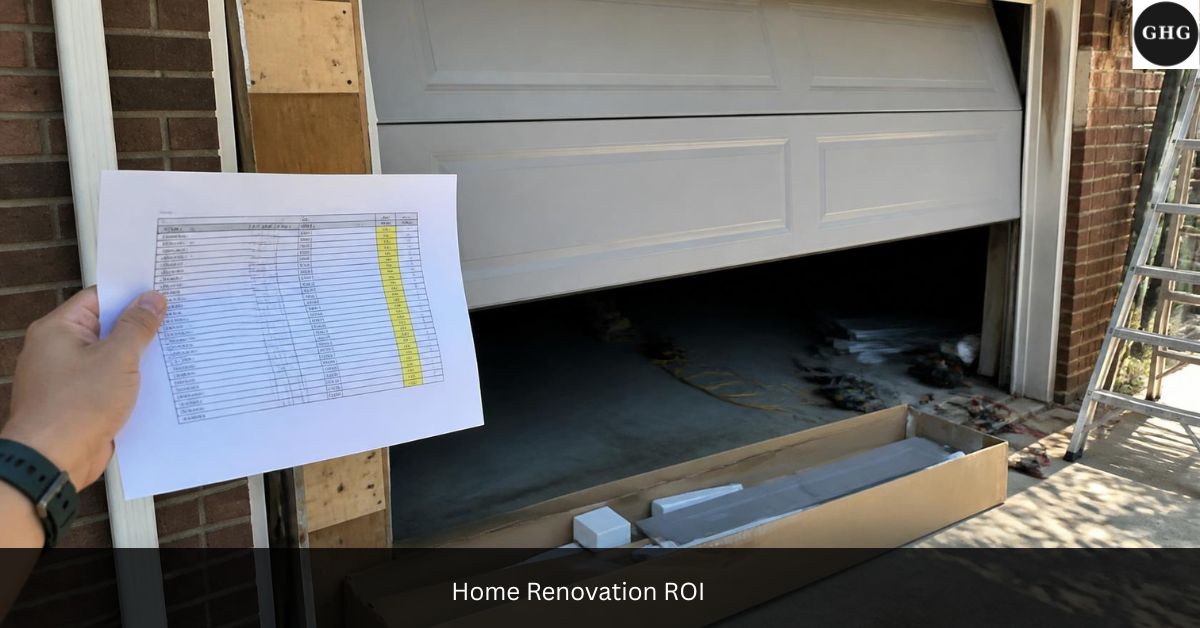
Renovate for the garage door, not the kitchen — if resale is the goal, that’s what the numbers actually say heading into 2026. Homeowners still treat kitchens and bathrooms as the “safe” renovation. Still, home renovation ROI runs almost backwards from that instinct: a garage door swap under $5,000 currently recoups more of its cost at resale than a $164,000 upscale kitchen overhaul does.
This guide walks through which upgrades are worth the money, which ones can quietly cost you resale value, and where two major national reports flat-out disagree on the numbers—so the decision comes down to real data, not a contractor’s pitch or a renovation show.
Quick Facts: Top 5 Highest-ROI Renovations
| Rank | Project | Job Cost | Resale Value Added | Cost Recouped |
| 1 | Garage Door Replacement | $4,672 | $12,507 | 268% |
| 2 | Entry Door Replacement (Steel) | $2,435 | $5,270 | 216% |
| 3 | Manufactured Stone Veneer | $11,702 | $24,328 | 208% |
| 4 | Siding Replacement (Fiber-Cement) | $21,485 | $24,420 | 114% |
| 5 | Minor Kitchen Remodel (Midrange) | $28,458 | $32,141 | 113% |
Source: Journal of Light Construction, 2025 Cost vs. Value Report — 119 U.S. markets, national averages.
1. Home Renovation ROI Rankings: The Top 10 Projects for 2026
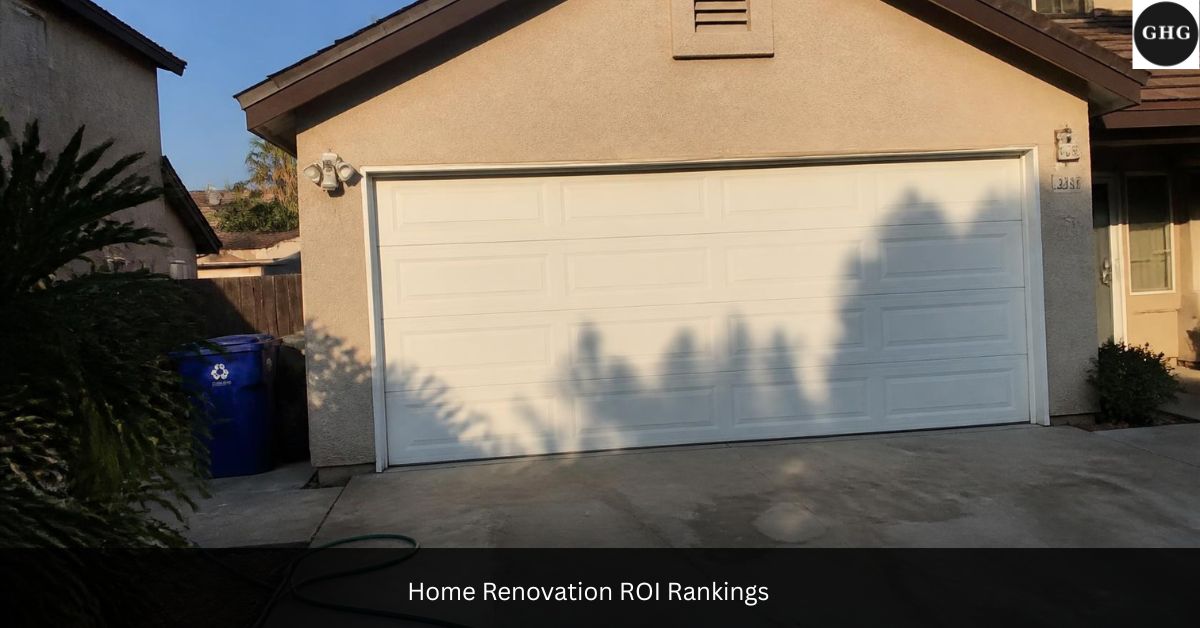
Every year, the Journal of Light Construction — in partnership with Zonda and Remodeling Magazine — publishes the Cost vs. Value Report, comparing average project costs against the resale value they retain across 119 U.S. markets. The 2025 edition is the most recent data available and is what’s shaping renovation decisions going into 2026. It confirms a pattern that’s held for several years running: exterior projects dominate the top of the list, while big interior remodels lag well behind.
Eight of the top ten projects nationally are exterior replacements. The only interior project to crack the top five is a minor, midrange kitchen remodel — not the gutted, high-end renovation most homeowners picture. Here’s the full top 10, ranked by percentage of cost recouped at resale:
- Garage Door Replacement — $4,672 cost / $12,507 resale / 268% recouped
- Entry Door Replacement, Steel — $2,435 / $5,270 / 216%
- Manufactured Stone Veneer — $11,702 / $24,328 / 208%
- Siding Replacement, Fiber-Cement — $21,485 / $24,420 / 114%
- Minor Kitchen Remodel, Midrange — $28,458 / $32,141 / 113%
- Siding Replacement, Vinyl — $17,950 / $17,313 / 97%
- Backup Power Generator — $13,534 / $12,902 / 95%
- Deck Addition, Wood — $18,263 / $17,323 / 95%
- Deck Addition, Composite — $25,096 / $22,199 / 89%
- Grand Entrance, Fiberglass — $11,754 / $9,959 / 85%
2. Low-Cost Upgrades With Outsized Impact
You don’t need a five-figure budget to move the needle. According to Zillow’s research, 72% of sellers completed at least one home improvement before listing in 2024, and the cheapest projects were also the most common: fresh interior paint led the list at 32% of sellers.
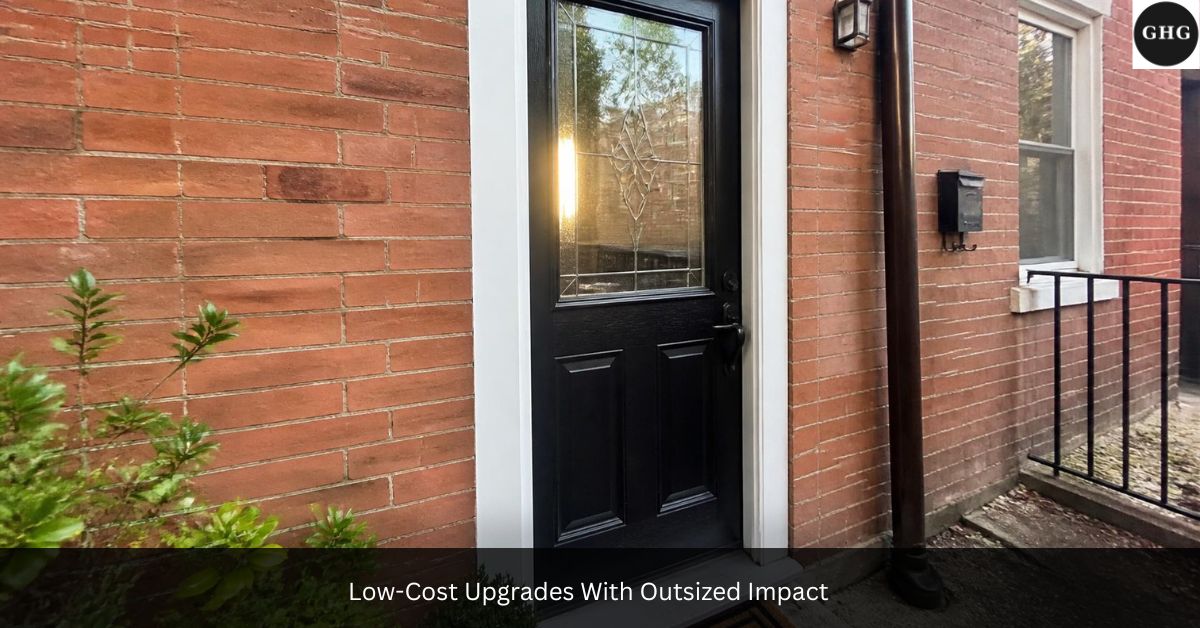
Curb appeal upgrades punch above their cost, too. Zillow’s data found that buyers would pay $6,450 more for a home with a black front door compared to gray, and homes with smart lighting sold 3% more often on Zillow listings than those without it. None of these require a contractor crew or a permit.
- Fresh interior paint (especially neutral, well-maintained walls)
- A repainted front door — black consistently outperforms other colors
- Smart thermostats and smart lighting
- Small bathroom updates: new vanity lighting, re-caulked or reglazed tubs
- Deep-cleaned or refinished existing flooring rather than full replacement
That’s a striking contrast against the $32,141 minor kitchen remodel from the rankings above — a coat of paint costs next to nothing and shows up in every listing photo, while a full kitchen redo takes weeks most sellers don’t have before a closing date.
3. Renovations That Can Actually Hurt Resale Value
Not every upgrade is neutral-to-positive. Chase’s home-lending research points to several renovations that can actively work against a sale, mostly because they push a home out of step with its neighborhood or its own buyer pool.
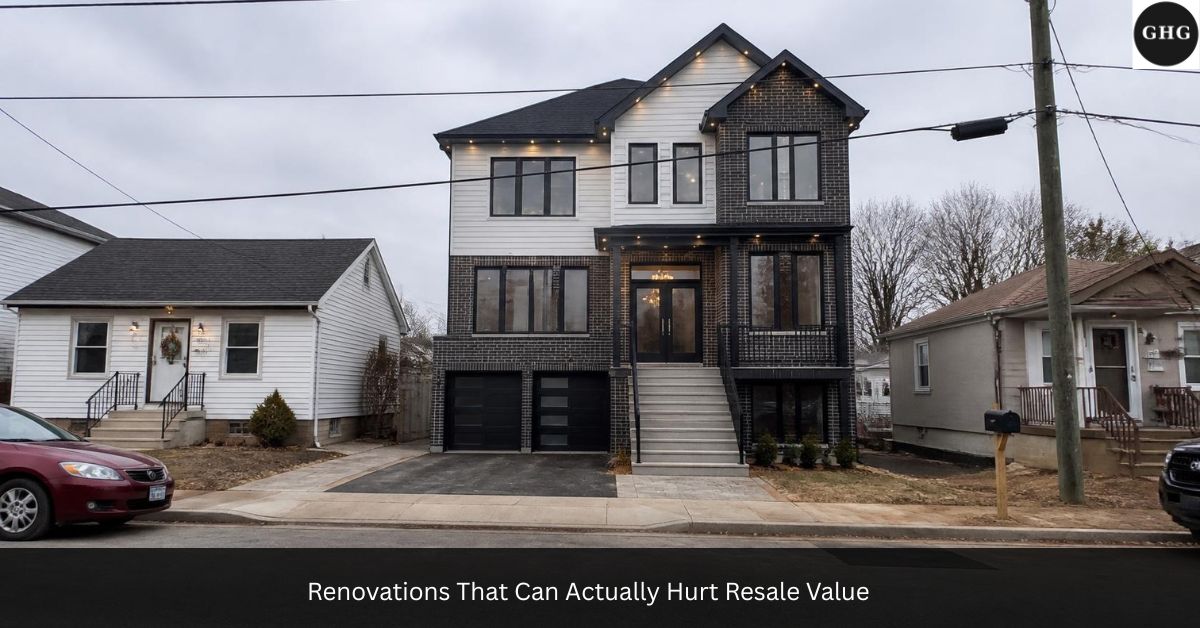
The common thread: buyers price a home against the homes around it, not against how much you personally spent. A renovation that makes sense in isolation can still hurt you if it makes the home an outlier on the block.
- Overbuilding for the neighborhood — the most expensive house on a modest block is hard to price and hard to sell
- Overdone or high-maintenance landscaping
- “Invisible” improvements buyers can’t see, like a new water filtration system
- Highly trendy or extremely personalized design choices
- Garage-to-living-space conversions, since many buyers want the garage itself
- Swimming pools, especially outside warm-climate or luxury markets
None of this shows up in a Cost vs. Value table, which is exactly why it gets overlooked — these are value risks with no clean cost-to-resale percentage attached, so they’re easy to miss until a home sits unsold.
4. Joy Score vs. Resale Value: Why Homeowners Renovate for More Than Money
Cost recovery isn’t the only way to measure a renovation’s success. The National Association of Realtors, together with the National Association of the Remodeling Industry, tracks a different metric entirely in its 2025 Remodeling Impact Report findings: a 1-10 “Joy Score” based on homeowner happiness after completion.
Three projects earned a perfect Joy Score of 10: adding a primary bedroom suite, a full kitchen upgrade, and new roofing. Notably, that list barely overlaps with the highest-ROI projects in Section 1. The report’s own cost-recovery estimates — based on a Realtor perception survey rather than contractor and appraiser data — rank a new steel front door at 100% recovered, a closet renovation at 83%, and a new fiberglass front door at 80%.
Specifics That Don’t Line Up: The NAR/NARI recovery percentages above and the JLC Cost vs. Value figures in Section 1 measure similar projects very differently — for example, JLC’s contractor-and-appraiser data puts a steel entry door at 216% recouped, while NAR’s Realtor-survey data puts a comparable steel front door at 100%. Both are legitimate, current reports; they simply use different methodologies (hard cost/appraisal data vs. Realtor-estimated perception), so treat them as two separate lenses rather than a contradiction to resolve.
5. How to Budget and Pay for a Renovation That Pays Off

The average U.S. home renovation costs around $52,208, though it can range from under $20,000 to well over $88,000 depending on scope, according to Bankrate’s renovation financing guide. How you pay for it matters almost as much as what you choose to renovate.
Bankrate outlines several financing paths, each suited to a different situation: savings for smaller, plannable projects; a HELOC for ongoing work where costs are still uncertain; a home equity loan when the full amount is known upfront; a cash-out refinance for larger, long-term renovations; and government-backed options like an FHA 203(k) loan for buyers who need to finance a home purchase and renovation together. Whichever route you choose, budgeting an extra 10% as a contingency reserve helps absorb the cost overruns that are common on almost every renovation project.
- Savings — cheapest option, best for smaller or flexible-timeline projects
- HELOC — revolving credit against home equity, good when costs are still unknown
- Home equity loan — lump sum, fixed rate, best when the total cost is already known
- Cash-out refinance — replaces your mortgage with a larger one for long-term renovations
- Personal loan or government renovation loan (e.g., FHA 203(k)) — options for buyers without significant home equity
None of these options change the underlying math from Section 1 — financing a $164,000 upscale kitchen remodel doesn’t raise its 36% recoup rate; it just spreads the loss out over a longer timeline.
Complete Overview
| # | Category | Typical Cost Range | Resale / Value Payoff | Verdict |
| 1 | Highest-ROI projects (exterior-led) | $2,400–$28,500 | 113%–268% cost recouped | Worth it |
| 2 | Low-cost cosmetic upgrades | $0–$500 | Faster sale, small price bumps | Worth it |
| 3 | Renovations that can hurt resale | Varies widely | Can reduce buyer interest | Situational |
| 4 | High “Joy Score,” lower cost recovery | $30,000–$170,000+ | 32%–83% recouped (varies by report) | For yourself, not resale |
| 5 | Financing a renovation | N/A | N/A | Plan before you spend |
What This Renovation Data Reveals
Line up all five sections and a clear pattern emerges: cheap, visible, curb-facing work consistently outperforms expensive, ambitious interior remodels when it’s measured strictly in resale dollars. The projects homeowners say they love the most — primary suites, full kitchen overhauls — are frequently the ones that recoup the least. That’s not a contradiction; it means those renovations are lifestyle investments, not financial ones, and they should be evaluated on those terms. If the near-term goal is resale, the numbers point toward small, visible fixes. If the goal is staying in the home for years, the Joy Score data matters more than the recoup percentage.
Conclusion
If you’re renovating purely to sell, the numbers favor small, visible exterior fixes over expensive interior overhauls — a new garage door or entry door will do more for your listing price per dollar spent than almost anything else on this list. If you’re renovating to actually live in the home longer, the calculation changes: a kitchen upgrade or primary suite addition may recoup less on paper, but it’s consistently what homeowners say they’re happiest with once it’s finished. The smartest renovation decision usually starts with being honest about which of those two goals you’re actually solving for.
FAQ
What is the best-ROI home renovation right now?
Garage door replacement currently tops national rankings, recouping about 268% of its cost at resale, according to the 2025 Cost vs. Value Report.
Do kitchen remodels really add the most value?
Only minor, midrange kitchen updates rank highly for resale (113% recouped); major or upscale kitchen remodels recoup far less (36%–51%), even though they score highest for homeowner satisfaction.
Do swimming pools add value to a home?
Rarely, and sometimes they subtract from it. Pools are polarizing with buyers and are often seen as a maintenance and safety concern, depending on the climate and neighborhood.
Should I renovate before selling my house?
Realtors most commonly recommend painting the whole home, painting a single room, and installing new roofing before listing, based on national Realtor survey data.
How much should I budget for a home renovation?
The average U.S. home renovation costs around $52,000, though it can range from under $20,000 to well over $88,000 depending on scope.
Also Read
This article was researched and written by the GlamHomeGuide editorial team using publicly available information from verified sources, including the Journal of Light Construction’s 2025 Cost vs. Value Report, Zillow, Chase, the National Association of Realtors/National Association of the Remodeling Industry, and Bankrate. All costs, resale values, and recoup percentages are national averages reported by these sources and will vary by market, home condition, and contractor. GlamHomeGuide is not affiliated with any of the companies, associations, or publications referenced in this article.